We arrived in Innsbruck, Austria on Wednesday around 1:30 in the afternoon. It was a short walk from the train station to the AC Hotel. After dropping off our luggage, we set out to explore the town using a self-guided app that Jane had downloaded. The old town center has some beautiful buildings.
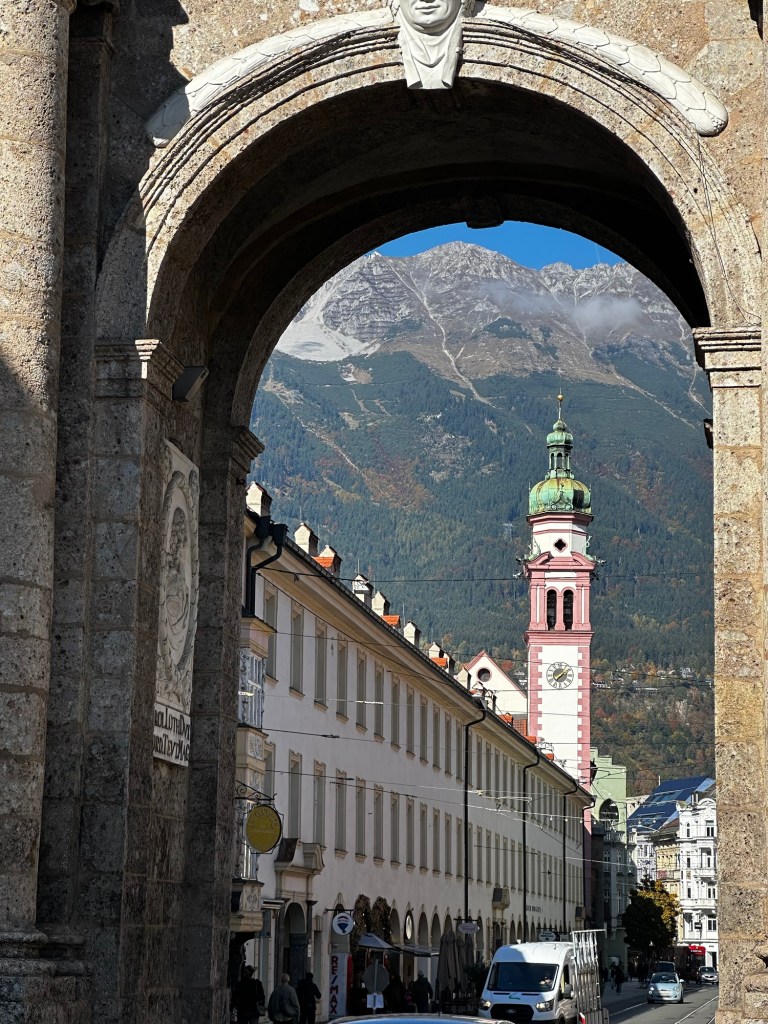

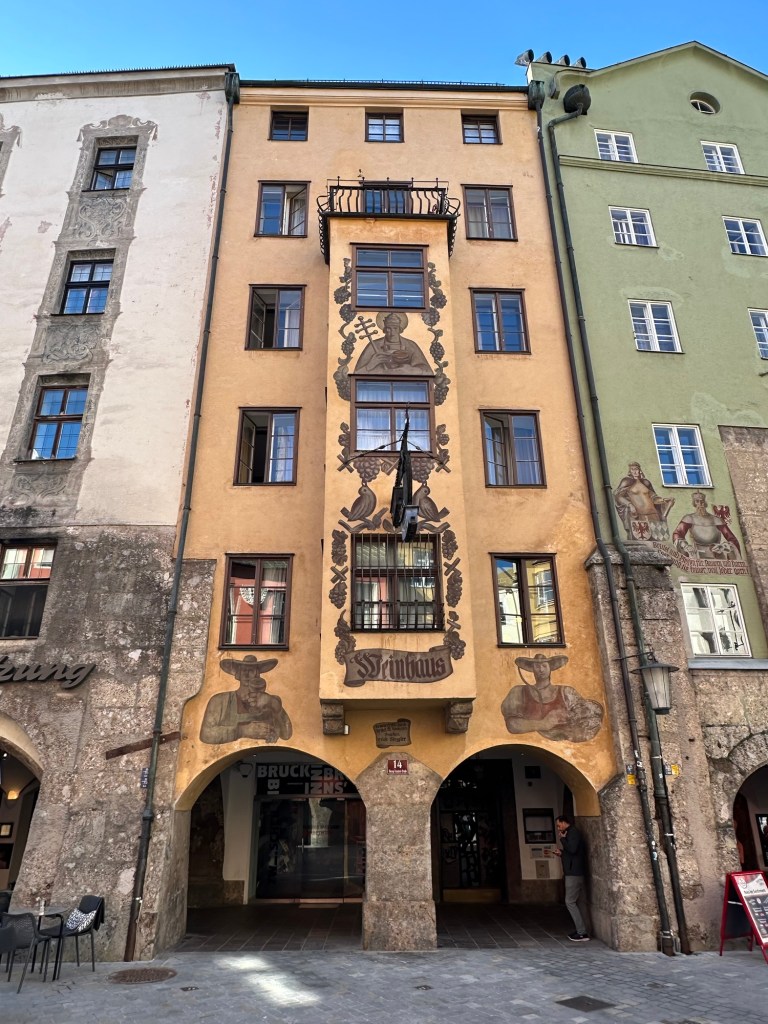
Since it was the first truly sunny day we’d had on this trip, it only made sense to celebrate with some gelato. The gelato at Gelateria Tomaselli was excellent with large servings, delicious sugar cones, and only €2.20.
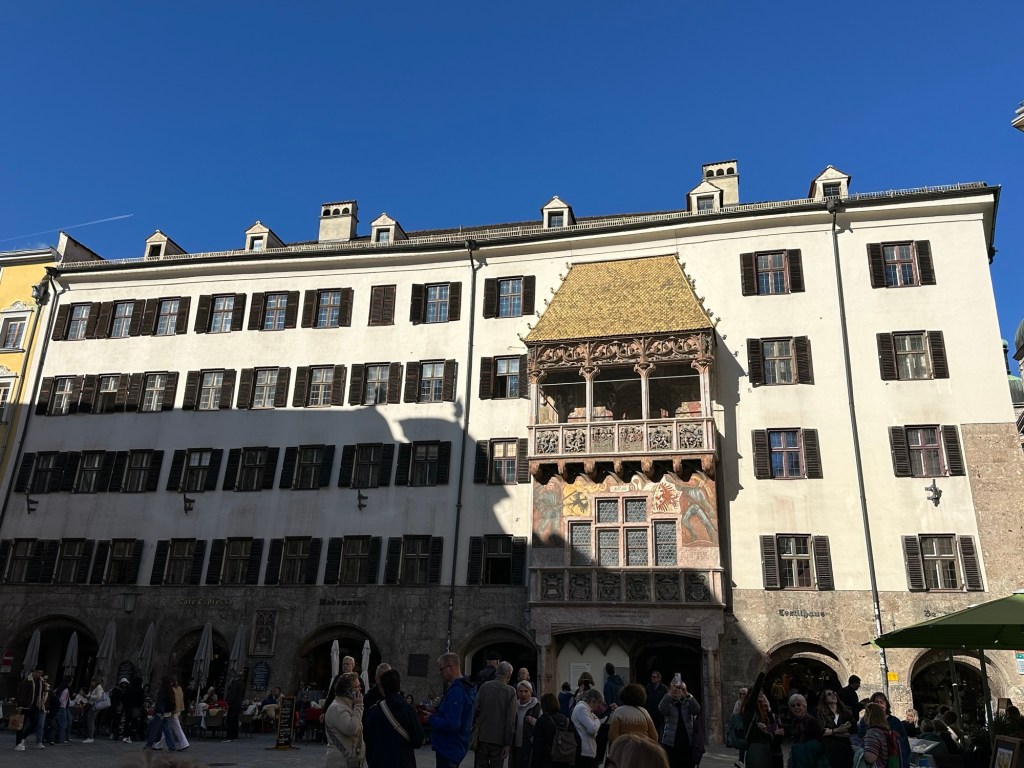
After our gelato break, we continued our self-guided walking tour and stopped at the Golden Roof, Innsbruck’s most famous landmark. Built in 1500, it’s an ornate balcony topped with 2,657 fire-gilded copper tiles. Emperor Maximilian I commissioned it to celebrate his marriage, and it served as a royal box for viewing events in the square below. Neither Jane nor I were particularly impressed, but it’s certainly historic.
We kept walking around town, taking in the view of the Nordkette mountain range, the colorful painted buildings, and the Inn River, which looked beautiful in the sunshine. Innsbruck actually gets its name from the river, “bruck” in German means bridge.
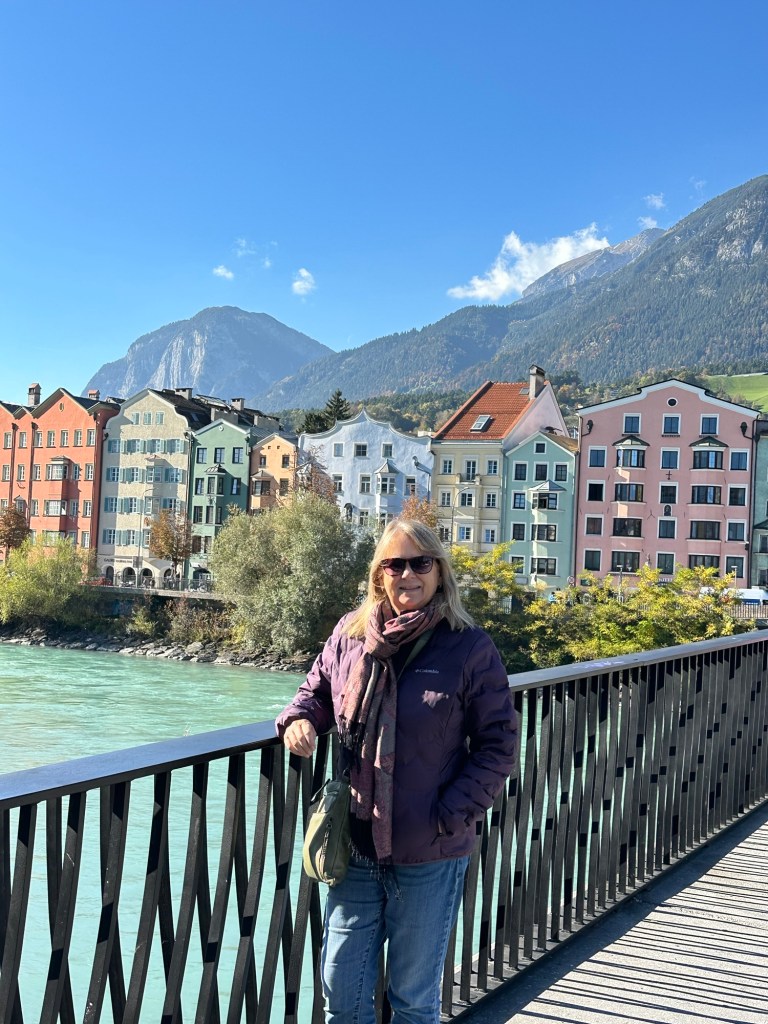
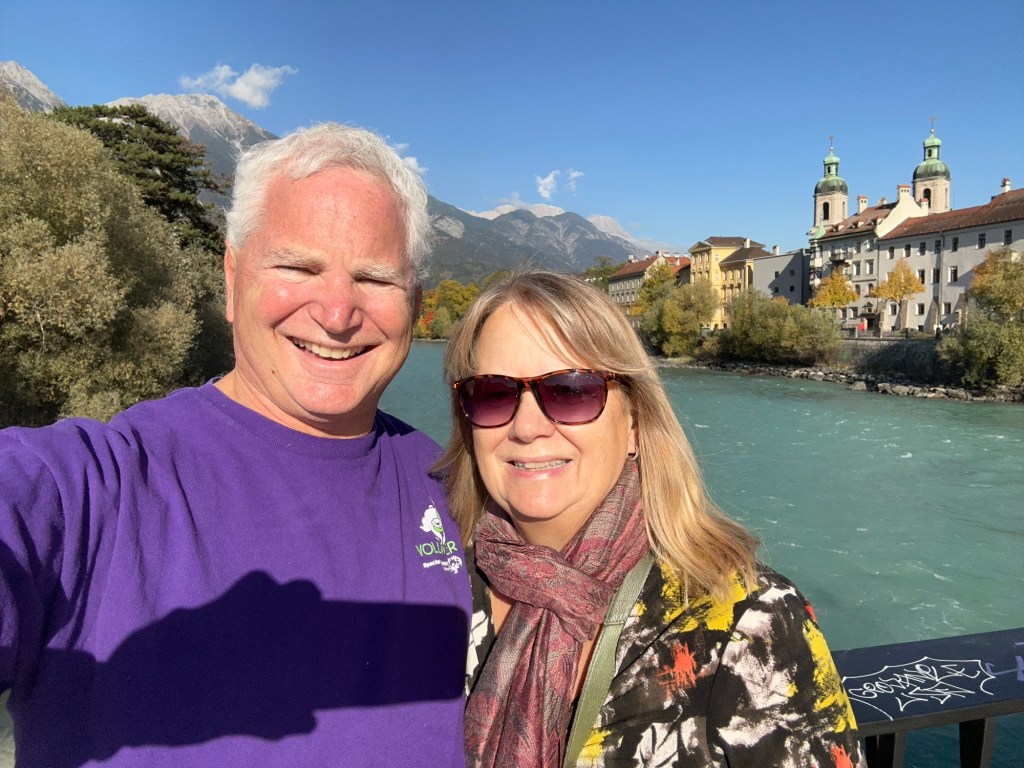
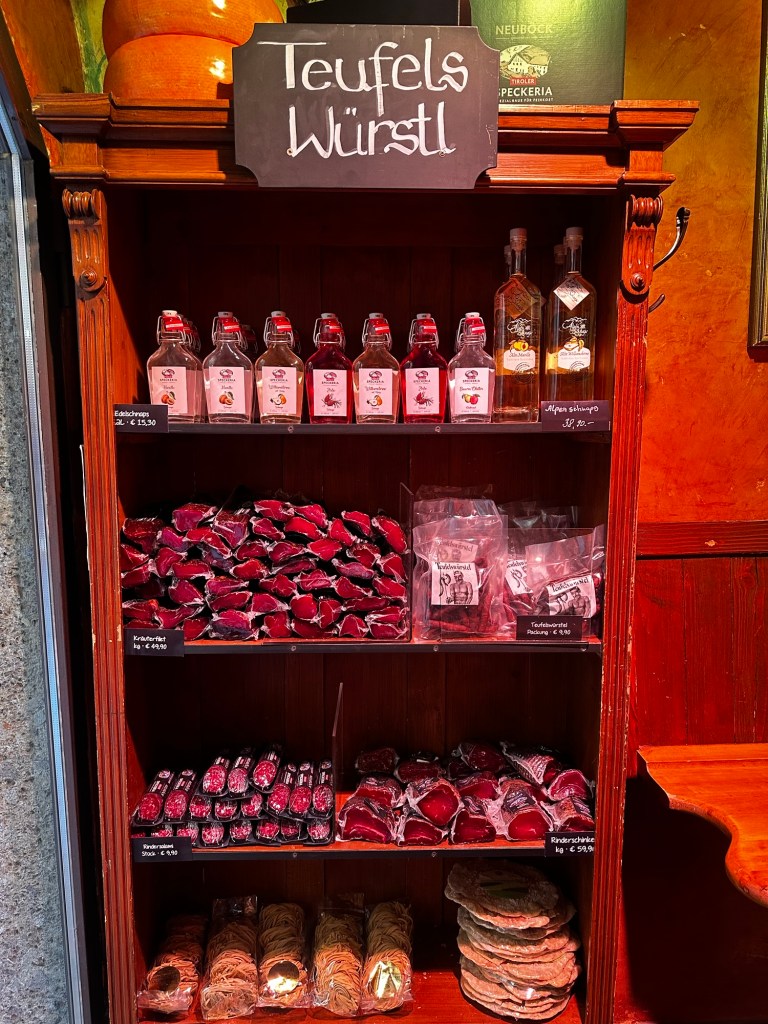
We stopped for a drink at an outdoor café overlooking the river, and for dinner we shared a ham and cheese sandwich at Speckeria. This isn’t your typical ham and cheese; speck, a local specialty, is an Italian cured meat made from boneless pork leg that’s dry-cured with salt and spices, then lightly smoked over pine or juniper wood.
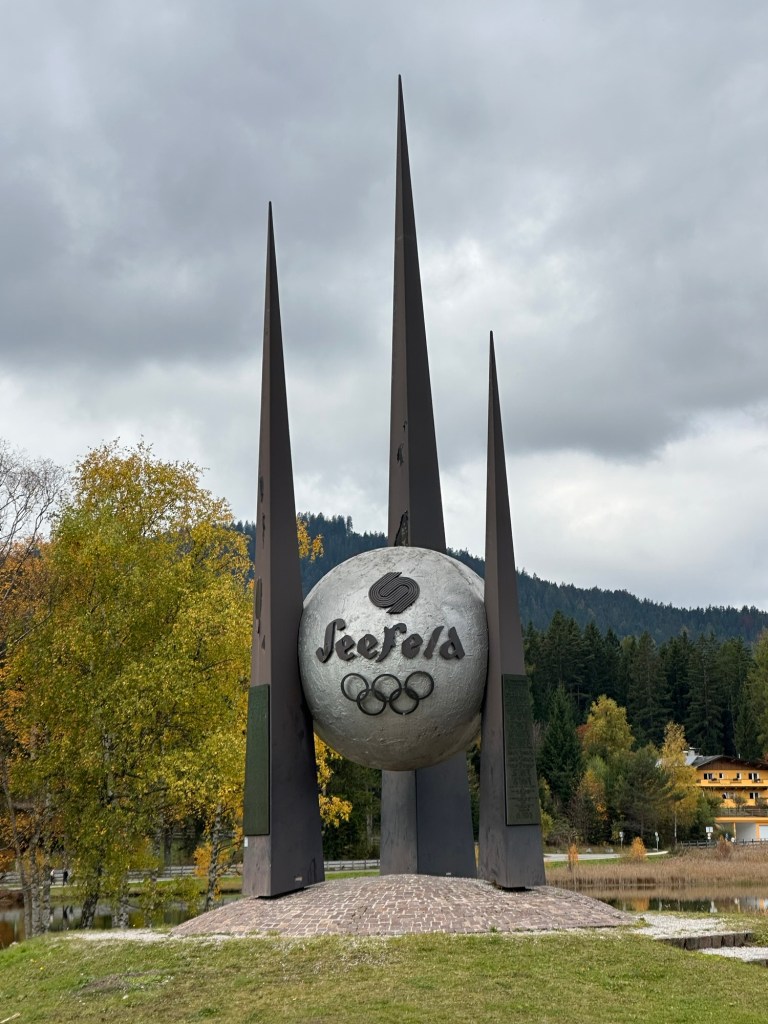
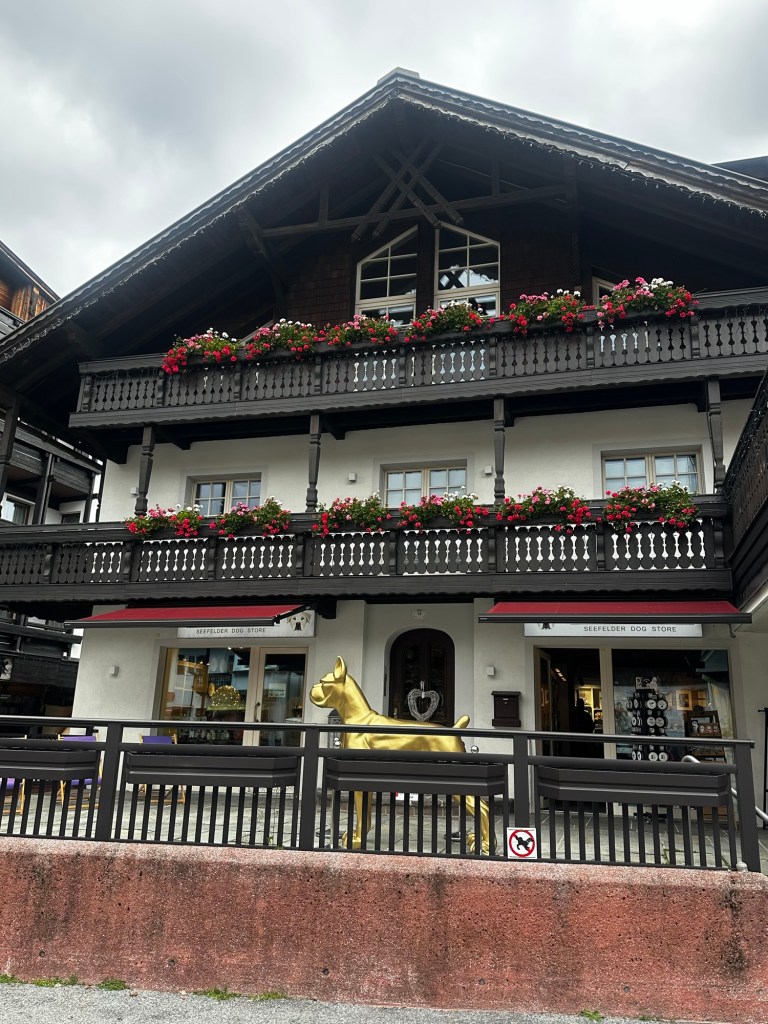
On Thursday, we ventured outside Innsbruck and took a train to Seefeld in Tirol, a charming ski village. During the 1976 Winter Olympics, Seefeld hosted the biathlon, cross-country skiing, Nordic combined, and normal hill ski jumping events. It was beautiful and fun strolling through this small alpine town.
From Seefeld, we took a 15-minute train ride to Mittenwald, Germany, another small village known for its painted buildings and long tradition of violin making, which dates back to the 17th century with the Klotz family. We visited the Geigenbaumuseum, where we saw violins on display and learned how they’re handcrafted. Violin-making continues in Mittenwald today, with a vocational school training the next generation of craftsmen.
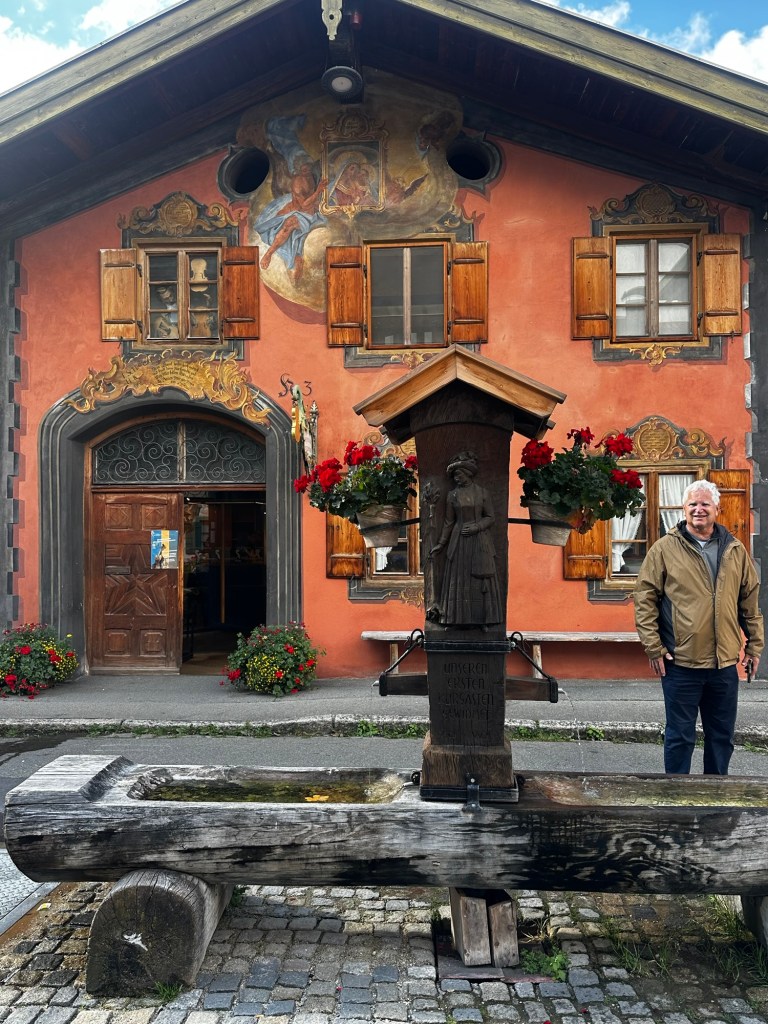
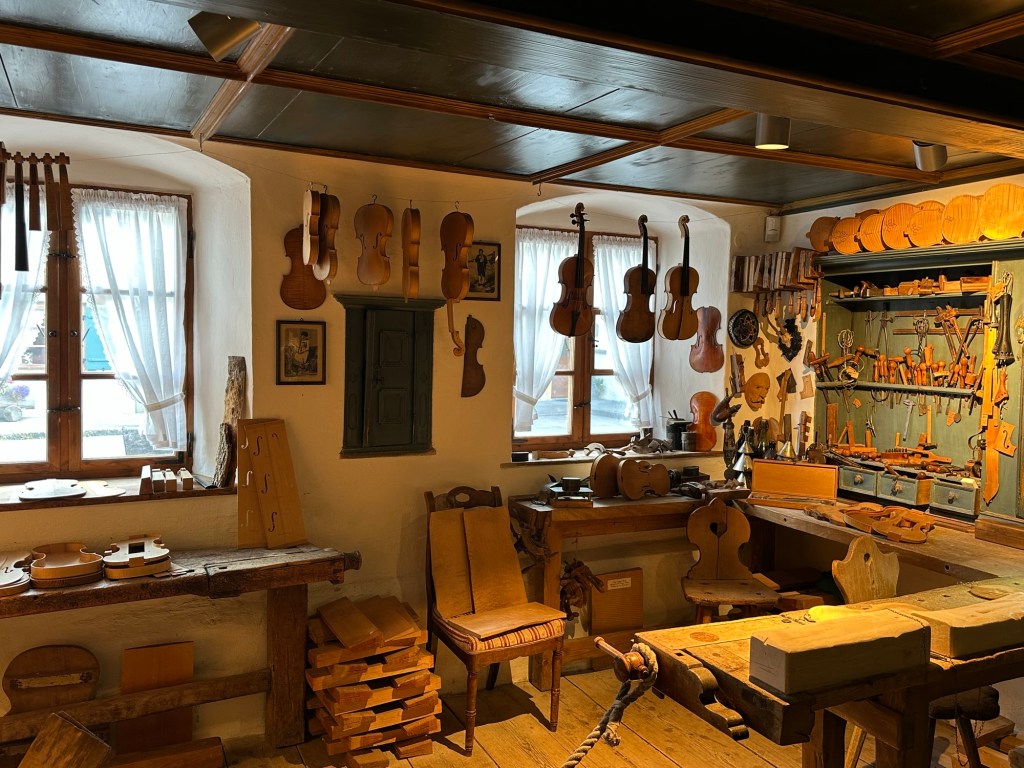
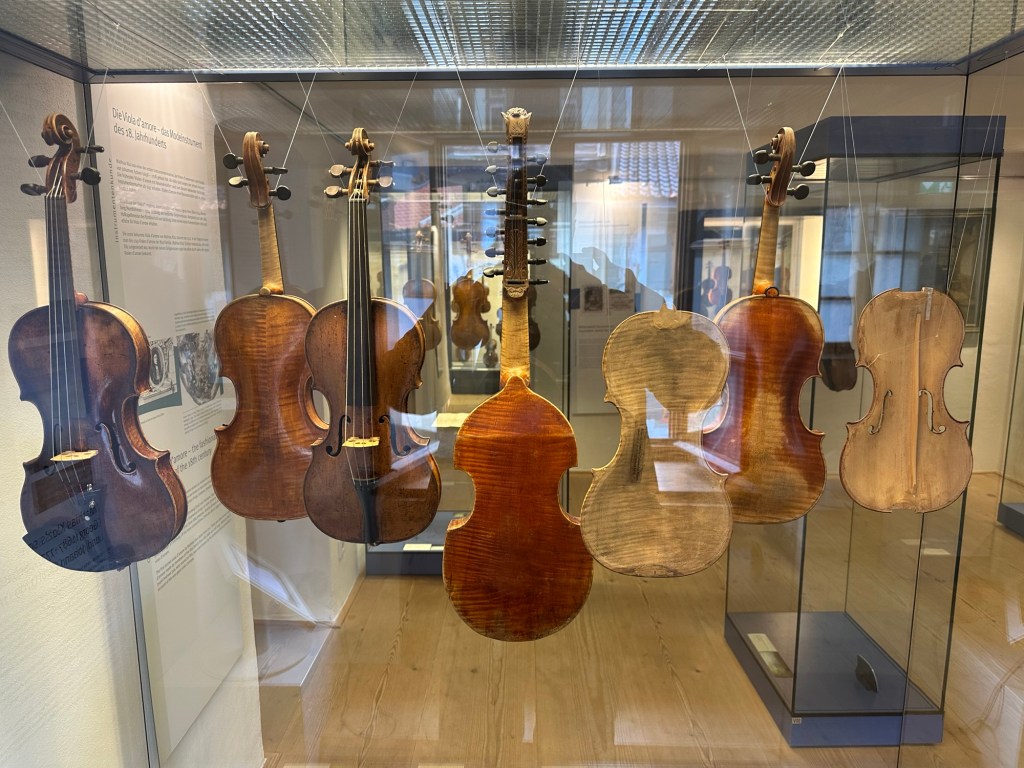
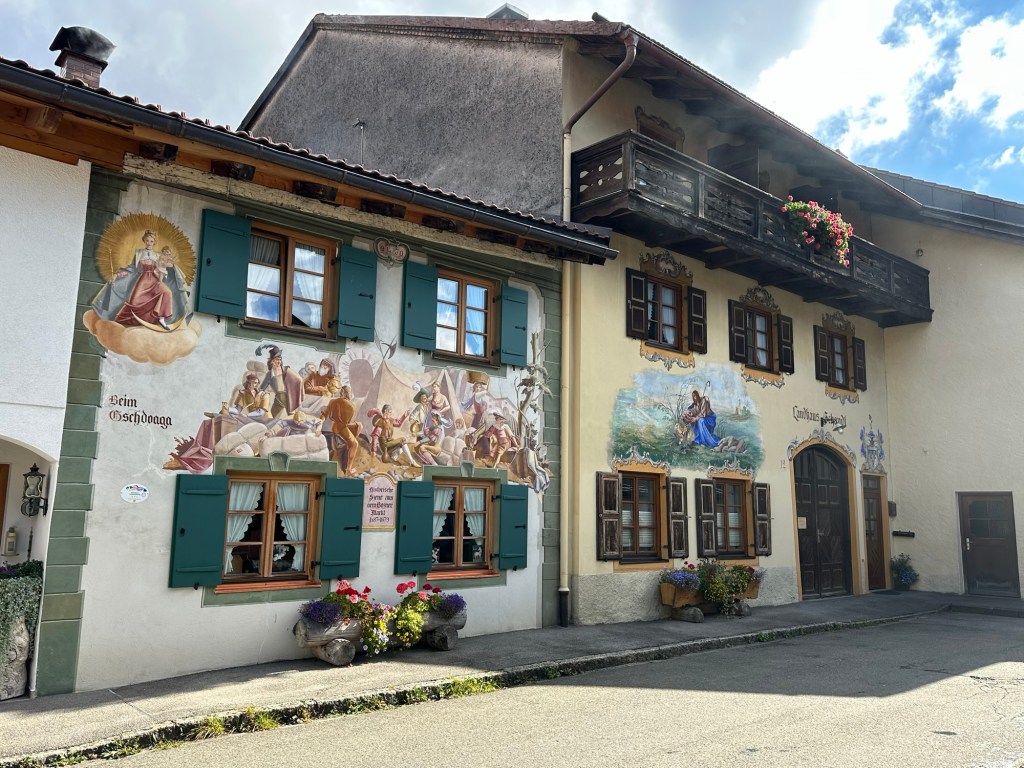
We returned to Seefeld in Tirol, wandered a bit more, and had a traditional Austrian dinner at Batzenhäusl before taking the short train ride back to Innsbruck.
After breakfast on Friday, we did the short walk to the train station and caught a bus to Bergisel, the site of the Alpine ski jumping competition used in both the 1964 and 1976 Winter Olympics. We joined a German-speaking tour and used Google Translate to catch bits and pieces of the presentation. We were lucky enough to see three jumps. Ski jumpers reach speeds of up to 90 km/h (56 mph) after only 4 seconds going down the ramp.
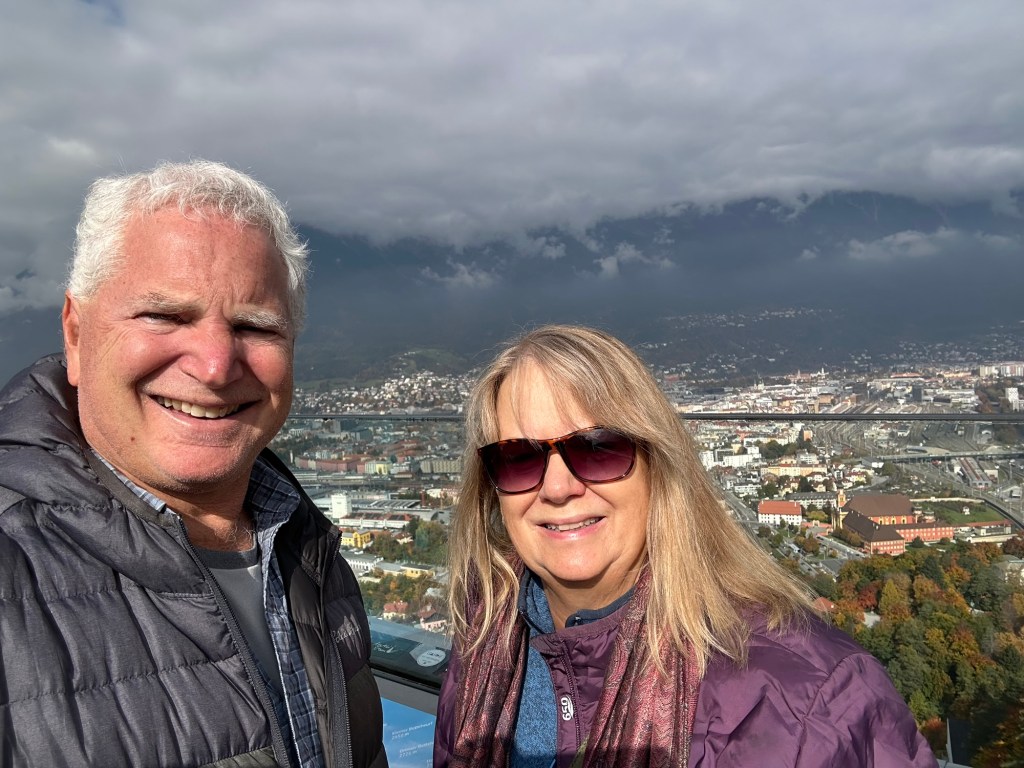
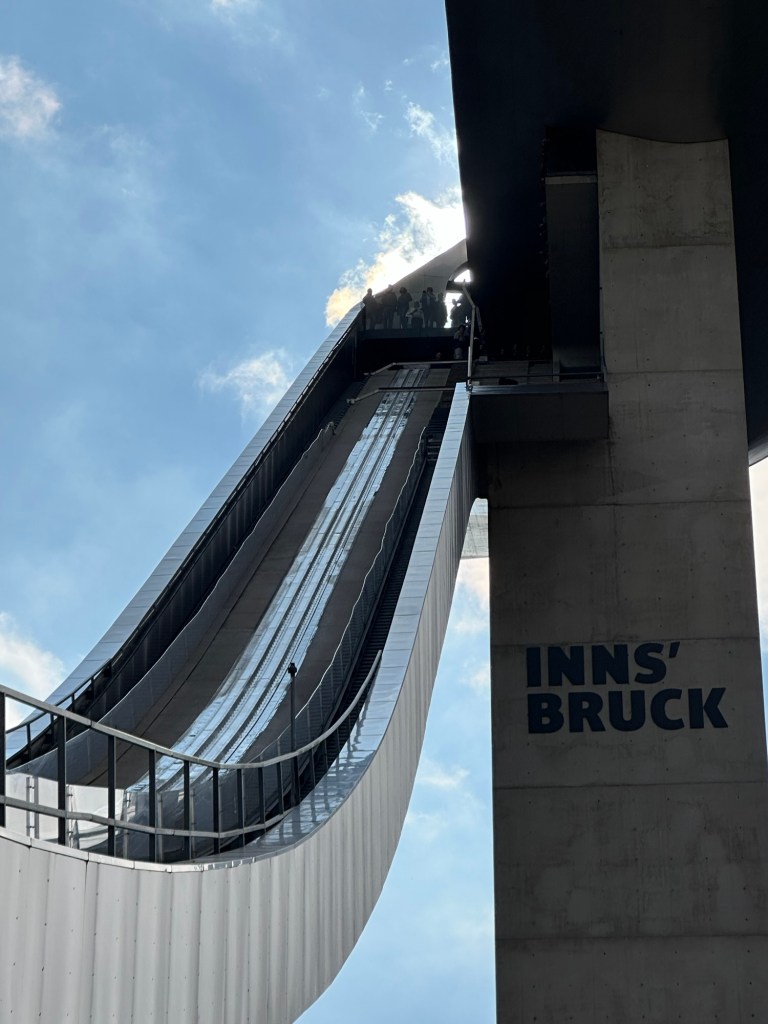
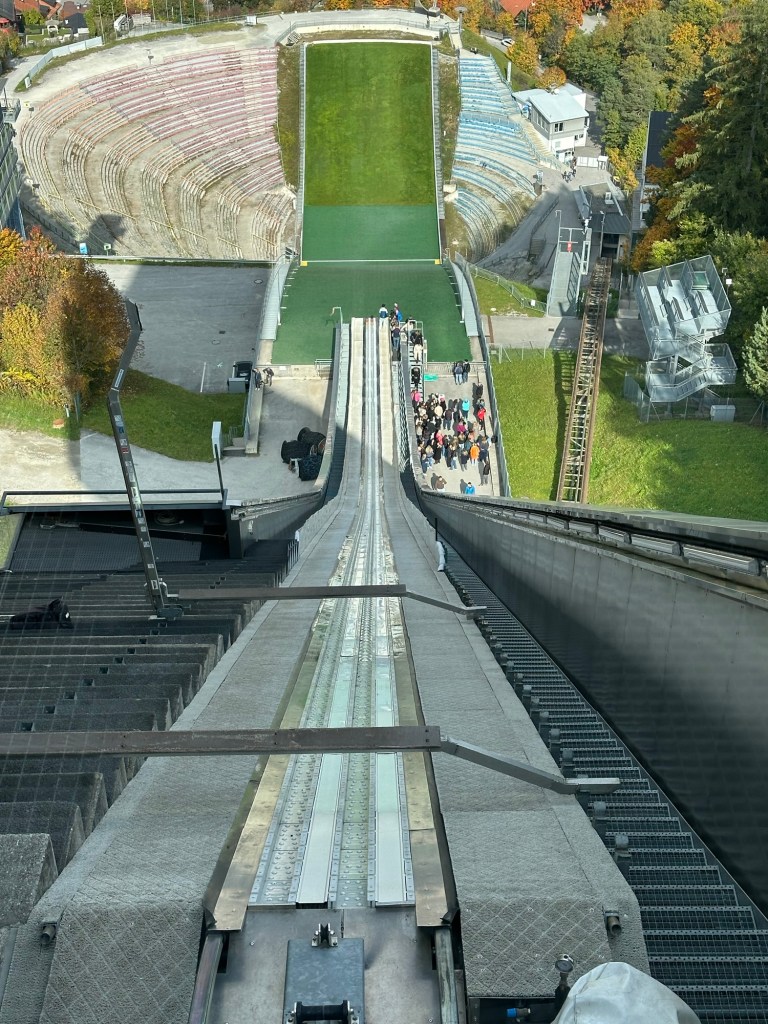
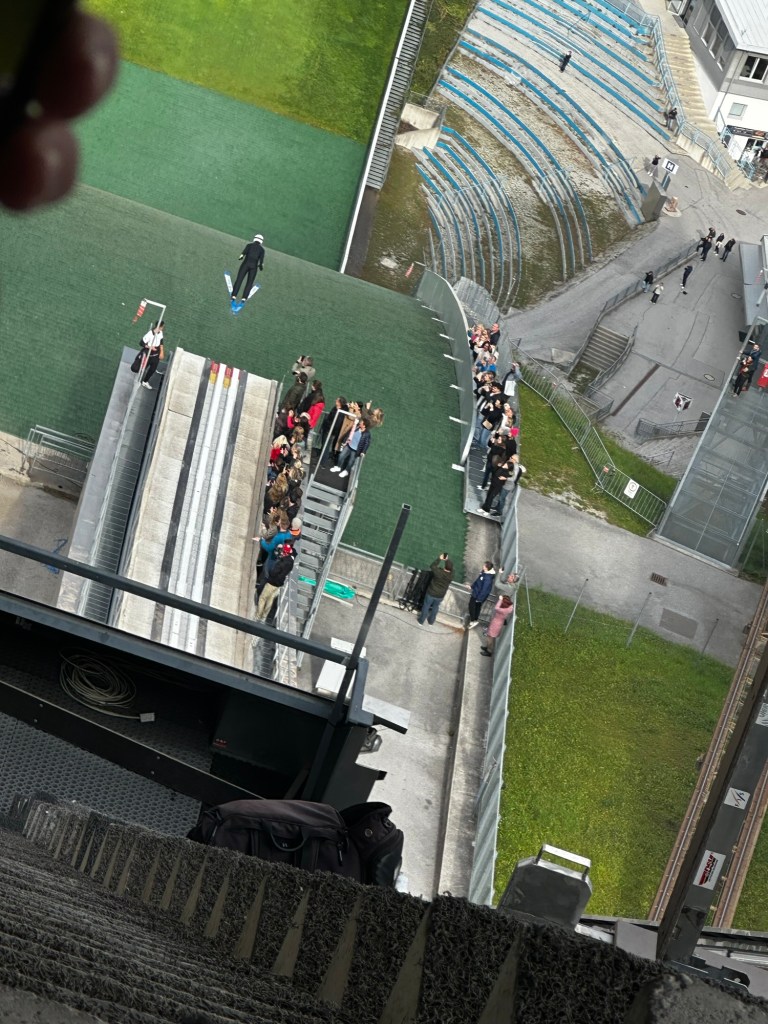

A bit of trivia: the 1976 Winter Olympics were originally awarded to Denver, but Colorado voters rejected a statewide referendum in 1972 to fund the Games, so Denver withdrew. After several other cities declined to step in, Innsbruck was selected as the replacement host since it had successfully held the 1964 Games.
When we checked into our hotel in Salzburg, we each received a Guest Mobility Card, which allowed us to use public transportation for free. I asked about a similar program when we checked into our hotel in Innsbruck, and we were given a Welcome Card, which not only covers public transport but also includes extra benefits, even our 45-minute train ride to Seefeld! We’ll definitely start checking if other cities offer this kind of perk.
After visiting Bergisel, we took the sightseeing bus (also included with the Welcome Card), which gave us a chance to see more of Innsbruck’s unique neighborhoods.
Dinner on Friday was simple, a burrito for me and a quesadilla for Jane. On Saturday, we head to Munich and most importantly, we’ll be celebrating Jane’s birthday.

 Traveling Walters