After our cooking class on Wednesday night, we had a couple of hours to kill before boarding the bus to take us to the Jhansi Train Station. Our group spent the time chatting in the courtyard of the Hotel Ganpati and strolling through Orchha one last time.
This is the first tour Jane and I have ever taken, and the dozen of us in the group get along amazingly well. Being travelers, we bond over conversations about other destinations we’ve visited and places we dream of exploring. The discussions are informative and refreshingly free of competition—just genuine enthusiasm for travel. Of course, as I’ve mentioned in earlier posts, many of our fellow travelers are still in disbelief over Trump’s election.
One thing our group unanimously agrees on is how appalling the air quality in India is. It’s the worst I’ve ever experienced. The smoke-filled atmosphere has affected all of us, leading to coughing, sneezing, sinus trouble, and itchy eyes.
We left for the train station at 9:00 p.m., making a stop along the way to stock up on snacks for the 13-hour train ride ahead. We arrived at Jhansi Station at 10:00 for our scheduled 10:40 departure. To our relief, Manu informed us that the train was running only seven minutes behind schedule—much better than earlier in the week when it had been delayed by five to six hours.
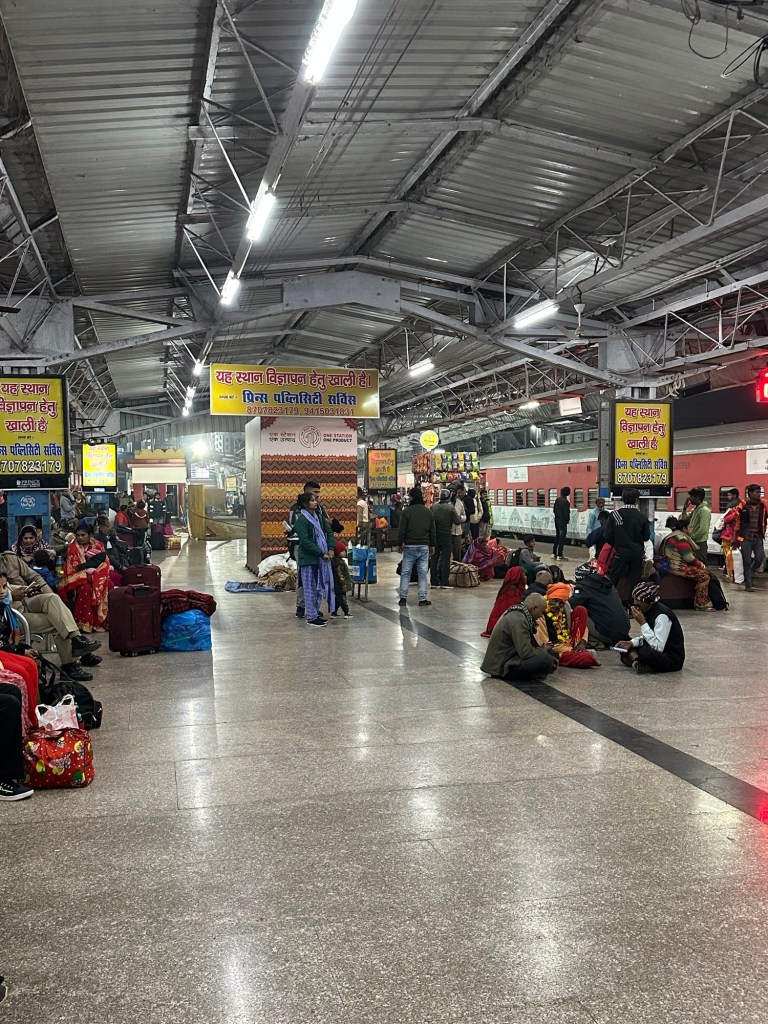
We boarded the sleeper car, with our group split between two coaches. Jane and I shared the 8 person pod with Aaliyah, Charlotte, Sally, and Manu. As we settled in, the ladies had a “giggle party” at every element of the onboarding (pad-locking our suitcases, making the beds with the sheets they provided, climbing into our cots, fellow passengers’ noises). Shortly after boarding, we learned the train was delayed again—apparently because someone was on the roof and had to be removed. We finally pulled out of Jhansi Station at 11:40 p.m.
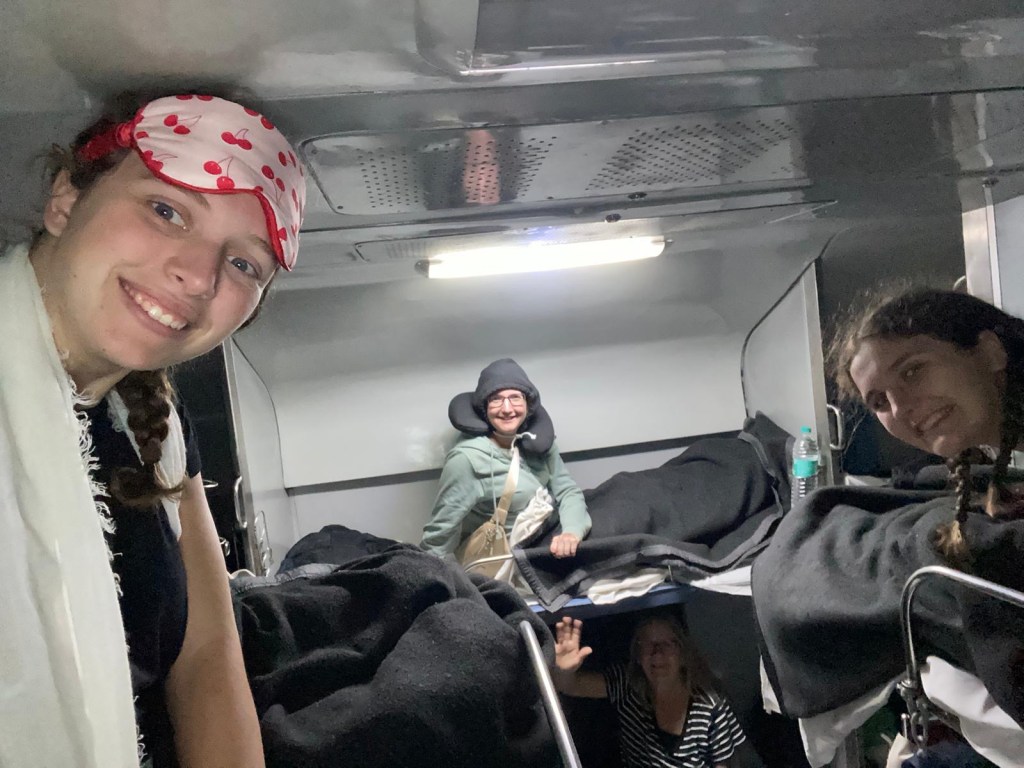
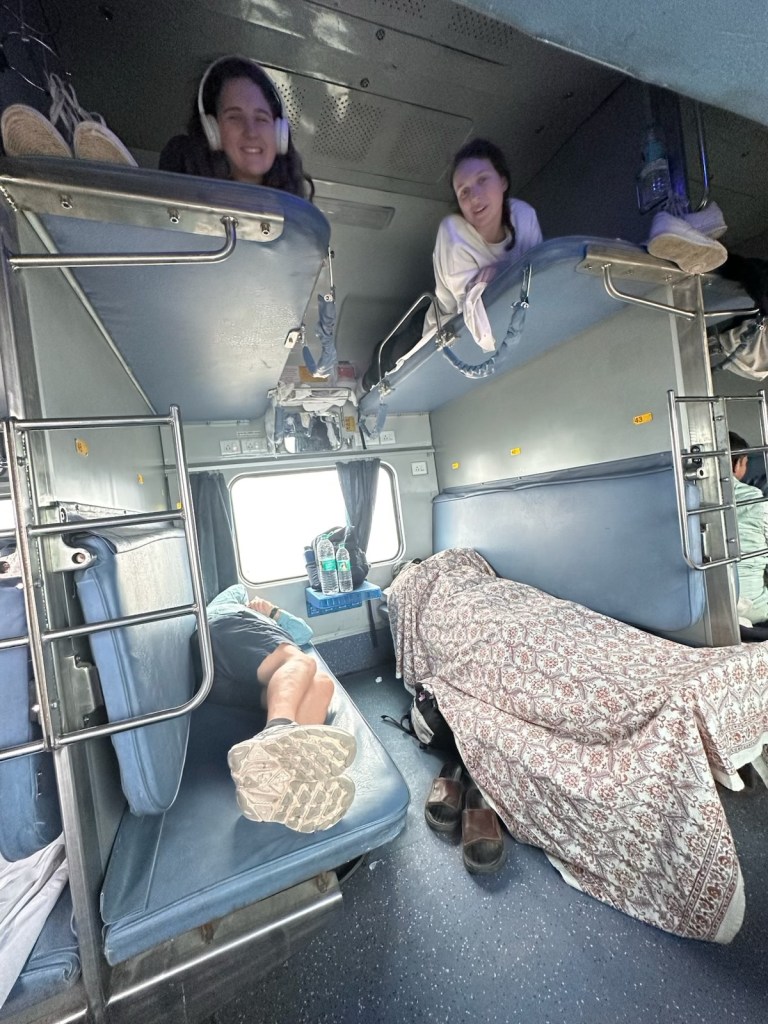
Our expectations for the train’s condition were pretty low. While Indian Railways are far from the standards of European railroads—or even Amtrak—we made the best of it and all slept fairly well (except me). We arrived at Varanasi Station around noon on Thursday, ready to dive into the city’s vibrant chaos.
After checking into Hotel Vaibhav and having lunch, I attempted to nap after a much-needed shower, but sleep eluded me.
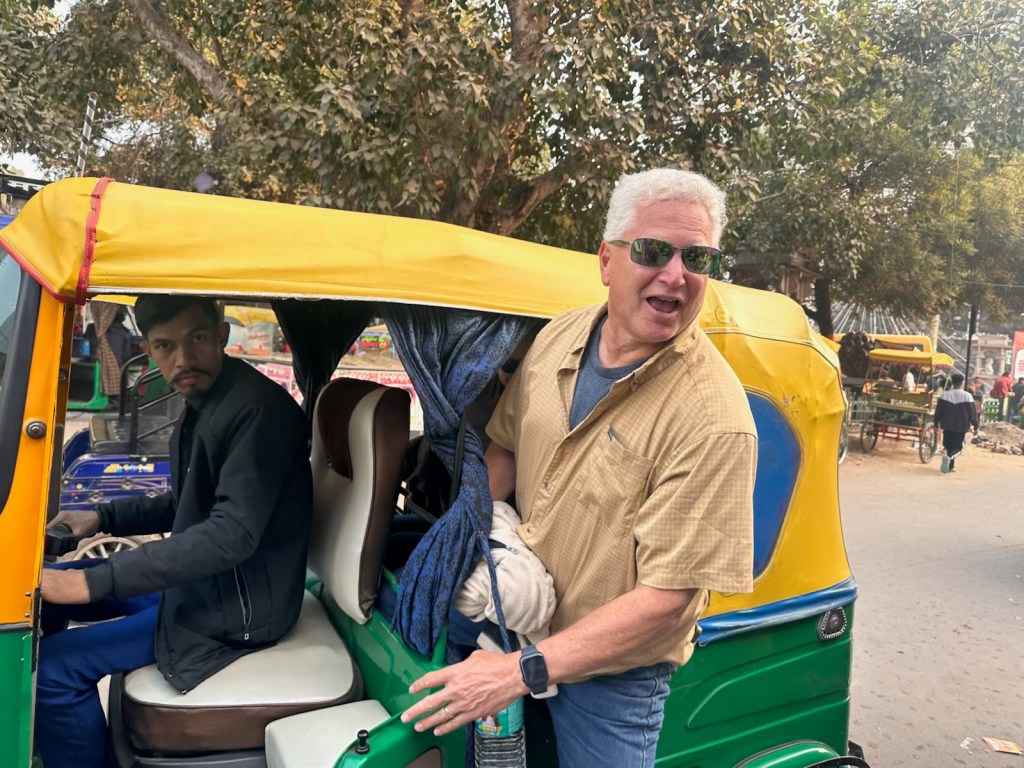
At 3:45, we gathered in the lobby and took tuk-tuks to the bustling streets of Varanasi. The chaos was overwhelming but fascinating. Eventually, we reached the Ganges River, the holiest river in India.
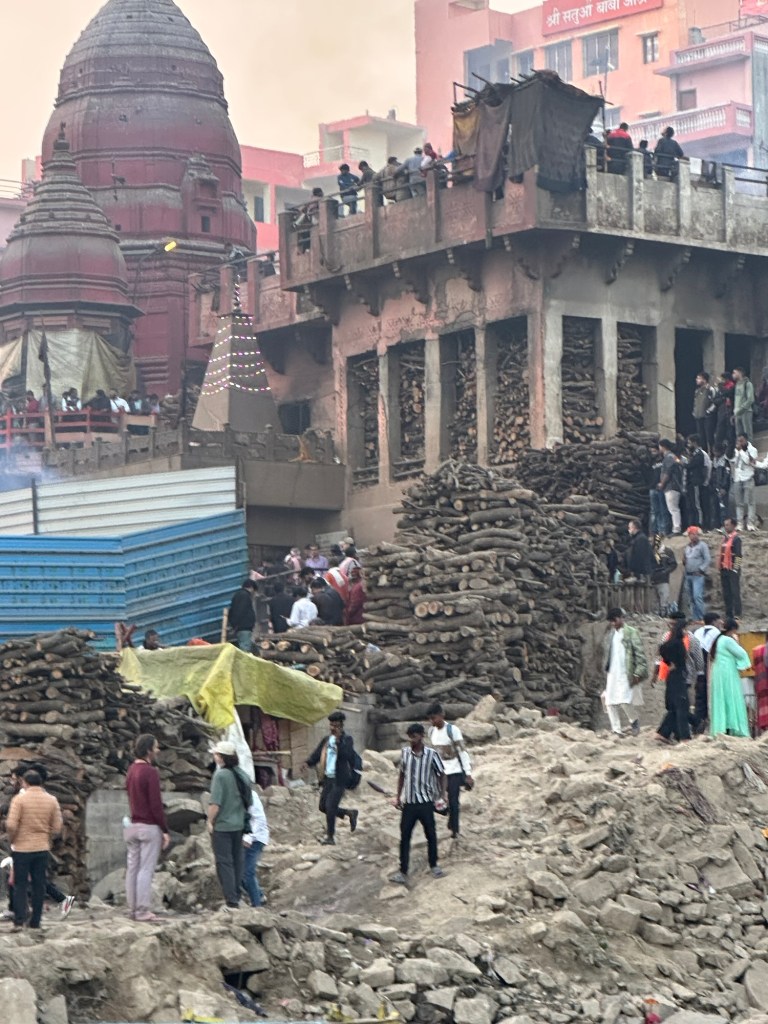
We boarded a boat and drifted offshore as Manu explained the significance of the Ganges. Along its banks, bodies were being cremated in accordance with Hindu traditions—a practice that has taken place for thousands of years. Around 150 people are cremated daily in Varanasi, and their ashes are returned to the sacred river.
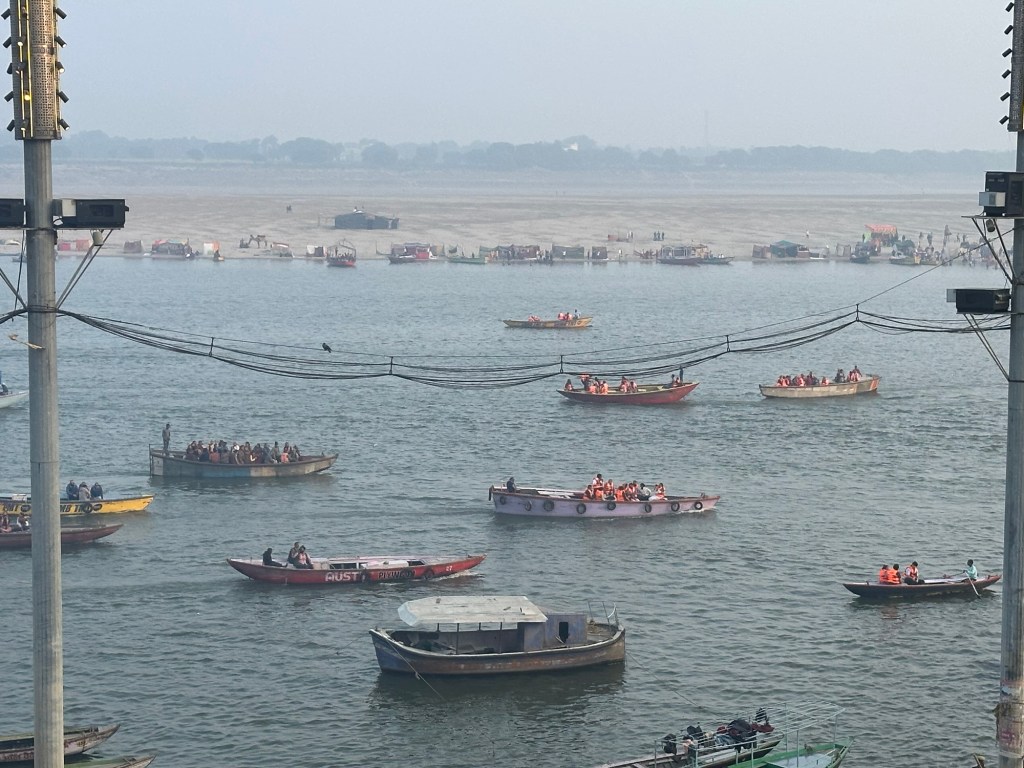
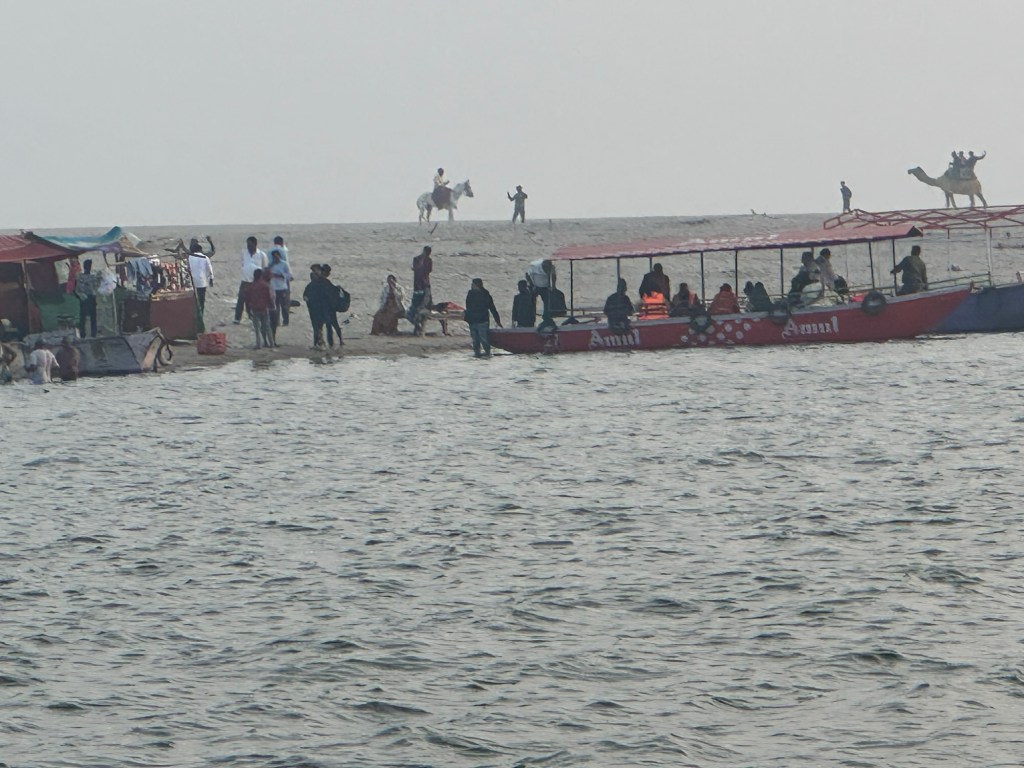
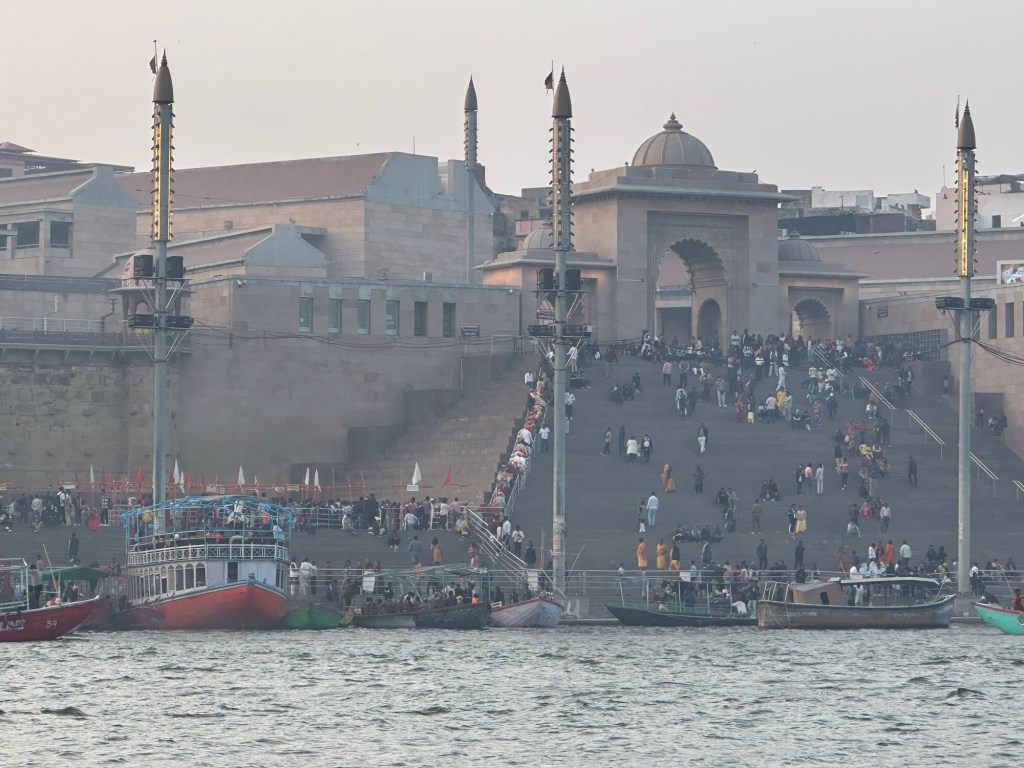
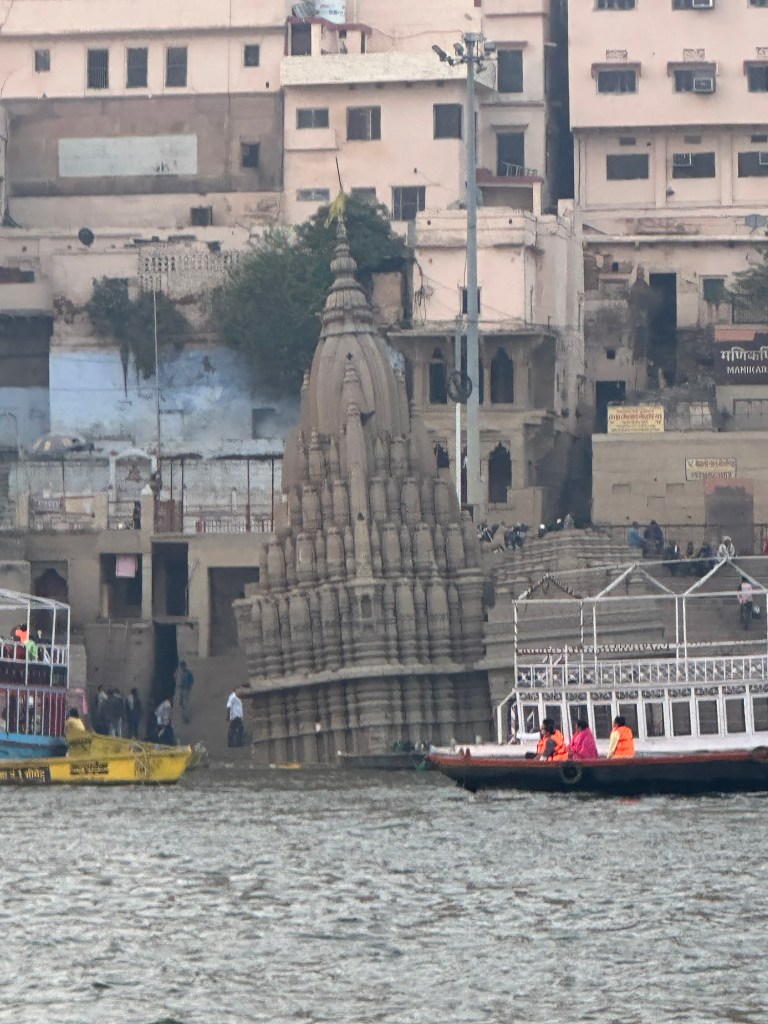
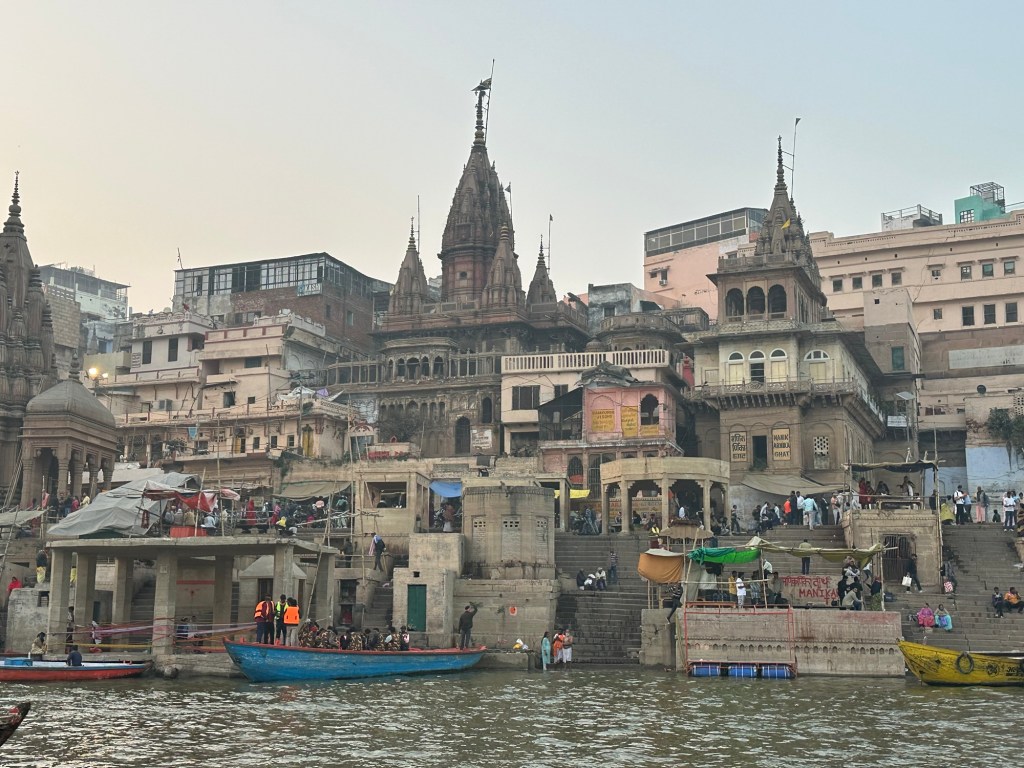
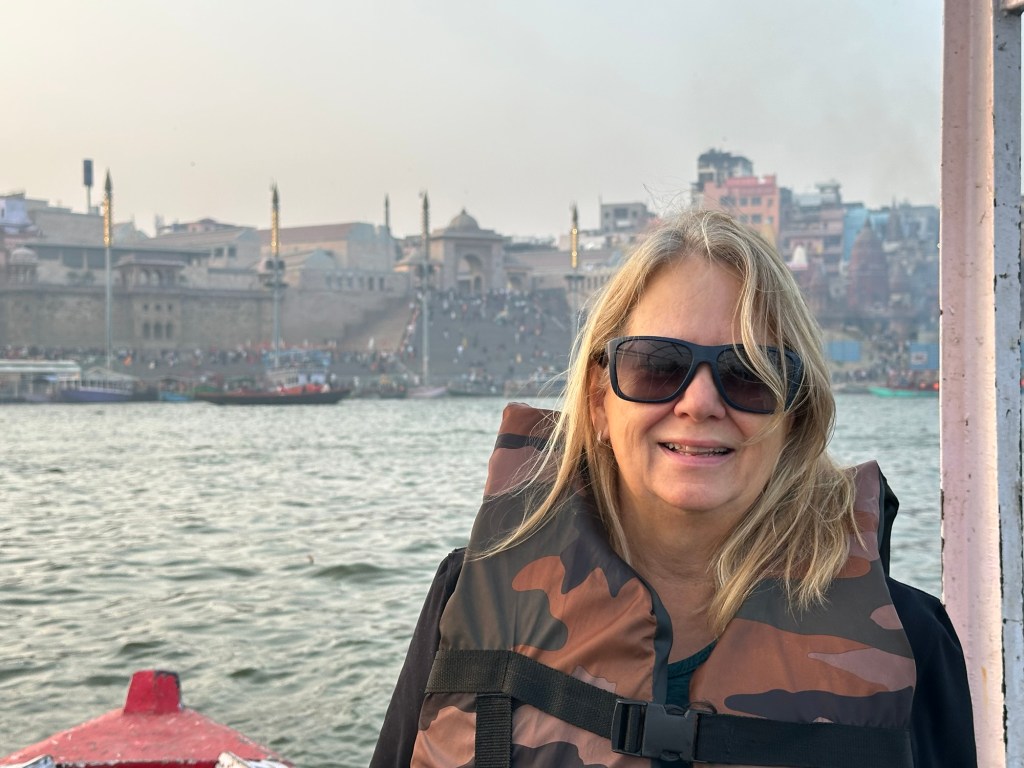
Our boat dropped us downstream, where we observed a Hindu ceremony—a mesmerizing ritual on the riverbank. Afterward, we took tuk-tuks to a modern mall with a Western-style food court. Following a quick meal, we returned to the hotel, exhausted after the restless night on the train.

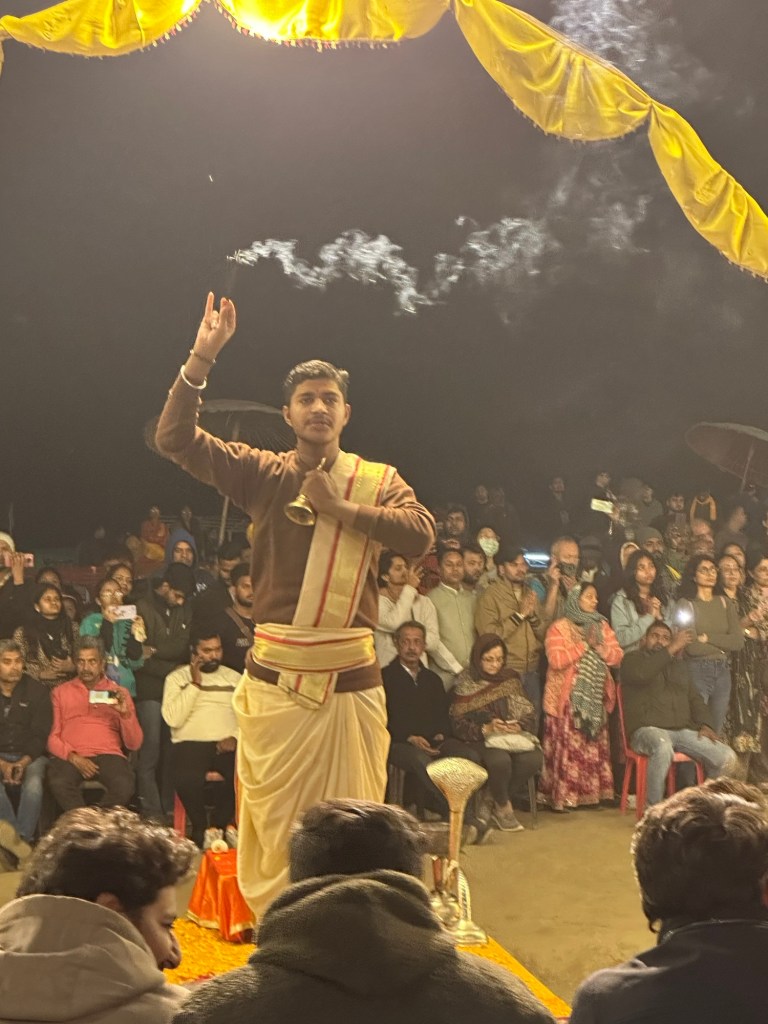
Varanasi was already proving to be an unforgettable experience, and we still have so much more to see.

 Traveling Walters